
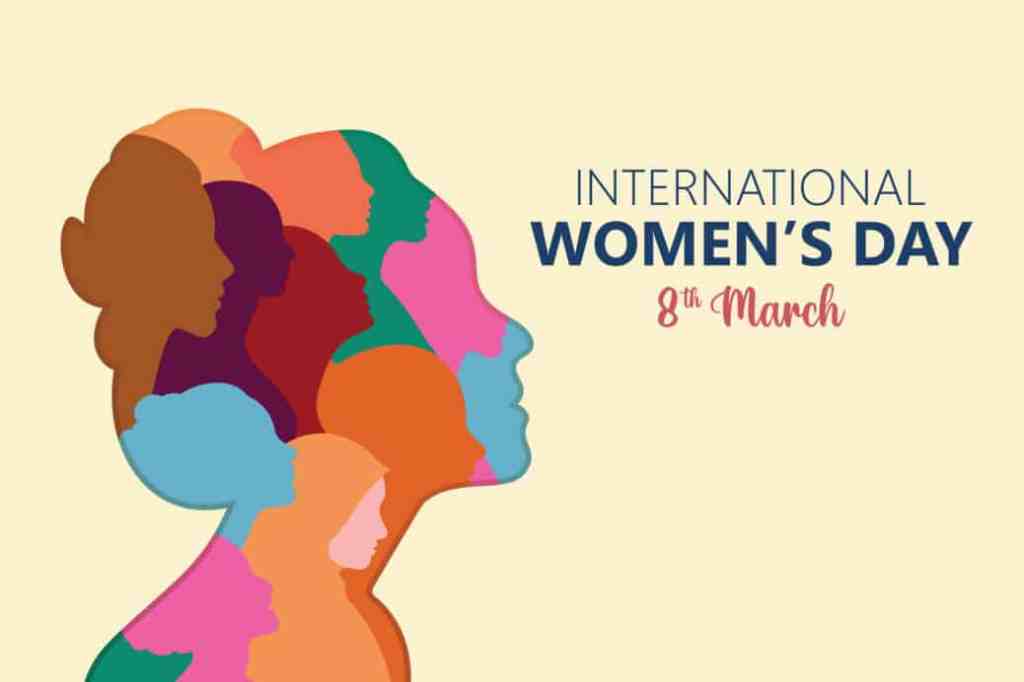
International Women’s Day, celebrated annually on March 8th, stands as a global tribute to the remarkable achievements of women across social, economic, cultural, and political spheres. It serves as both a celebration of progress and a poignant reminder of the ongoing struggle for gender equality and women’s rights.
The roots of International Women’s Day stretch back to the early 20th century, a time when women’s radical movements advocating for equality and suffrage were gaining momentum worldwide (Haynes, 2019). The inaugural National Women’s Day, held on February 28, 1909, in the United States, was a response to the 1908 garment workers’ strike in New York City, where women rallied against oppressive working conditions, demanding fair pay and shorter hours (United Nations).

“All women, whatever be their position, should demand political equality as a means of a freer life, and one calculated to yield rich blessings to society.”
Clara Zetkin
In 1910, at the International Conference of Working Women in Copenhagen, Clara Zetkin proposed the idea of an annual International Women’s Day. The proposal garnered unanimous support from attendees representing unions, socialist parties, and women’s rights organisations from 17 countries (BBC News,2019).
Since its inception, International Women’s Day has grown in significance and popularity, becoming a global focal point for various women’s movements. Today, it serves as a poignant reminder of the strides made in advancing women’s rights while underscoring the need for concerted efforts to achieve full gender equality. It’s a day to honour women’s contributions to society and to renew our commitment to building inclusive and equitable social structures.
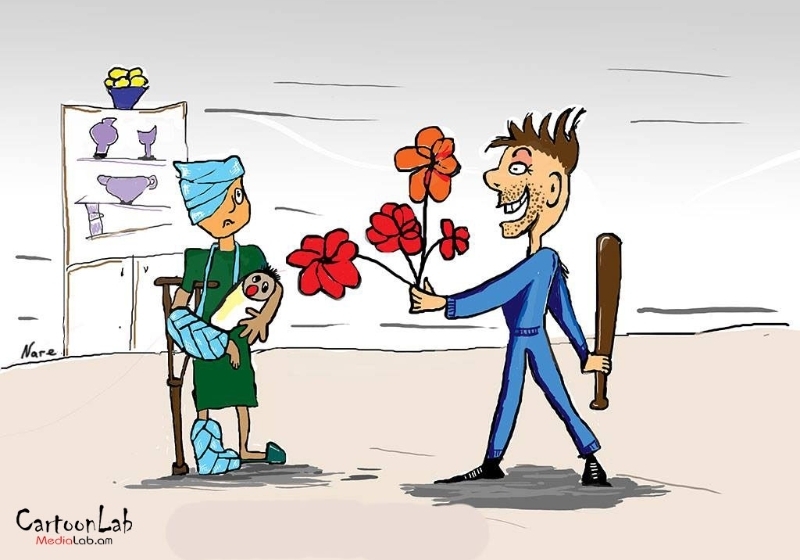
“Give us equality and respect, we can breathe easy without flowers, chocolates”
Despite its widespread recognition, over-commercialisation and token gestures often overshadow the achievements and the need to bring into the light major issues women still face nowadays such as domestic violence, restricted access to opportunities, gender pay gap and underrepresentation in all aspects of society. International Women’s Day is being redefined by diverting attention away from substantive discussions and actions addressing gender inequality and women’s rights into reiterating traditional gender roles (Turp-Balazs, 2019).
Giving flowers or hosting events, without addressing the underlying issues of gender inequality has become the new normal. Superficial acts have become so common that we fail to confront the structural barriers that women still encounter. Critics argue that true progress towards equality requires substantive changes in policies, institutions, and societal attitudes, rather than mere symbolic gestures (Dr. Elma S. Groenewald (2024).
“Feminism isn’t about making women stronger. Women are already strong, it’s about changing the way the world perceives that strength.”
G.D. Anderson
The essence of women empowerment seems to be lost in multiple interpretation and continuous struggle of what empowerment is and what it is ought to be. There is a general misconception that women empowerment would mean a shift from patriarchy to matriarchy, a fear that feeds from lack of knowledge or an erroneous belief imposed on people’s minds.
Women empowerment is not about a shift in gender superiority from male to female; it is about abolishing the ideology of gender superiority all together. It is the foundation of a just society, and a just society cannot exist without gender equality which entails access to rights and opportunities (Anderson, 2020). It does not require extensive science to understand the benefits of acknowledging women’s power in society.
“Empowerment is a multi-dimensional social process that helps people gain control over their own lives.”
The pressure for women to adopt more masculine traits in order to succeed can reinforce existing gender norms and inequalities. This not only marginalises feminine qualities but also creates a narrow definition of what it means to be successful and empowered. If to be empowered would mean to be a man there is no surprise more women could thrive to be more masculine in order to be valued and respected.
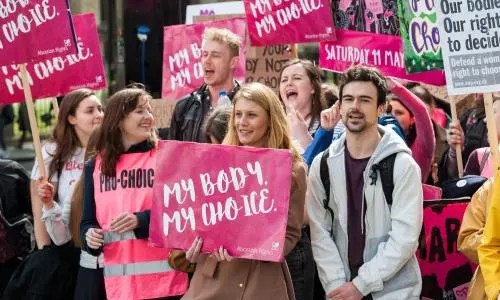
Even if the ongoing process towards gender equality and the promotion of women’s rights do not take only a progressive trajectory but also a regressive, the mainstream misogynists that push for laws limiting women and LGBTQ rights is a relevant example. In the US, civil liberties have regressed post-2022, eroding protections like Roe v. Wade and witnessing a surge in anti-trans laws (Nazneen and Lewin, 2022). It can be disheartening to witness all the hard work going down the drain, being in the continuous risk of losing rights to your body, choice and equal pay. It is not only dangerous but also truly exhausting.
In spite of all, we must never give up on thriving towards a better future, breaking barriers and stereotypes. We must never forget that the ultimate goal of women empowerment is to create a more equitable and just society, where women enjoy equal rights, opportunities, and protections under the law and for that to happen we must be united and resilient, we must be at the heart of change just like many feminists have been in not- so- distant past.
To truly honour the spirit of International Women’s Day, it’s essential to move beyond symbolic gestures and delve deeper into the systemic inequalities that persist. By addressing these issues head-on, we can strive towards creating a more equitable world where all genders benefit.
 Veronica Maimescu
Leave a comment