Gender, Power and Society
Violence against women
Peace and security are fundamental pillars in preventing conflicts worldwide. Maintaining international peace and security is a challenging but paramount process. Despite recognising the importance as global community we fail in multiple way to keep peace. Firstly, we fail in designing an inclusive system in peacekeeping and peacemaking. When half of the population is blatantly excluded from peace talks and decision-making, it affects the entire process and its outcomes. Secondly, the underrepresentation of women poses a major threat to ending the circle of violence and wars glorification. It is easier to turn a blind eye rather than respond and address inequalities which consist among the root causes of conflicts in the first place.
Why it is important for women to participate? It is no news that during armed conflicts women and children suffer the most dehumanising violence. Girls in particular are at higher risk of experiencing sexual violence including but not limited to rape, forced prostitution, and sexual slavery. It is used as a human weapon to inflict pain, fear, and shame. The most recent sexual violence as pointed by Mazurana & Marshak (2023) has been used against civilians in wars in Ethiopia, Ukraine and Darfur. The consequences are devastating on physical and psychological level. Even after horrendous experiences we continue to ignore, overlook the crimes. Not only these crimes go unpunished but as a society we fail to acknowledge the severity of not prosecuting. It is worth noting that this issue extends beyond conflicts zones it a worldwide unsolved problem.
The role of women in peace and security
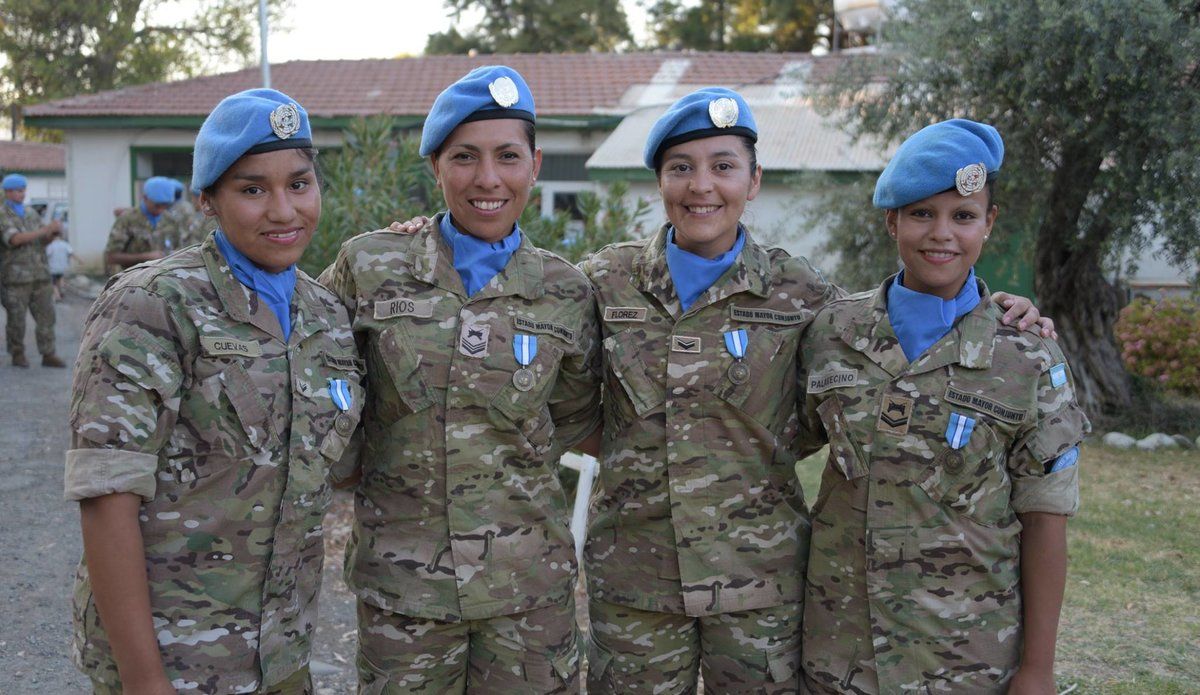
The importance of women’s participation in peace and security efforts cannot be overstated. Participation in peacekeeping and peacebuilding efforts helps to ensure that gender issues are taken into account in the development of policies and programs including giving deserved consideration to the atrocities that disproportionally affects women and girls. Women in peace and security is a must not only for solving the issues at hand but also for changing the perception about women in society which historically has been relegated to traditional gender roles.
Additionally, the efforts can help to improve the safety and security of women and girls in conflict-affected areas, by providing greater protection against sexual and gender-based violence. As pointed out by Sanam Naraghi Ardelini in “Women Building Peace: What They Do, Why It Matters” book women play critical roles in the aftermath of conflict, working to rebuild communities, promote reconciliation, and prevent the recurrence of violence. Women’s unique perspectives and experiences in peace negotiations contribute to inclusive and resilient societies, which in turn promotes the sustainability of peace.
“The role of women in peace and security is not just about representation; it’s about recognising their expertise in fostering reconciliation and stability.”
Hillary Clinton
Underrepresentation in leadership
Women are underrepresented in leadership positions in peacekeeping operations worldwide. Heads of peacekeeping including but not limited to political missions are chosen in consultation with the Security Council, where only five of the 15 members are currently women (Kirkpatrick, 2023). It is disappointing especially to learn that this disparity exists within the UN, international organisation that works on tackling this issue.
Conaway & Shoemaker have suggested that the reason for the lack of women in senior positions in the UN, especially in peacekeeping missions, is due to these stubborn cultural and institutional barriers that just won’t budge (Shoemaker, 2008). It’s outrageous that in this day and age, women are still facing obstacles when trying to enter and advance within the UN. This slow pace of progress is unacceptable, not just within the system but also in the international community. Even if some states are ahead of other in gender equality major barriers still persist.
Women’s Challenges in Peace Efforts
Despite the recognition of the importance of women’s participation in peacebuilding and peacekeeping efforts, women continue to face significant barriers to their involvement in these fields. These can be structural, cultural, or socio-economic, and can prevent women from taking on leadership roles or participating meaningfully in peace processes. One of the main barriers to women’s participation in peacebuilding and peacekeeping is the lack of representation and support for women in these fields including social norms and biases (Dharmapuri, 2013) Women are often underrepresented in leadership positions in peacekeeping missions, and their voices are marginalised in decision-making processes it lead to policies and programs that are not gender-sensitive or responsive to the needs of women in conflict-affected areas.
Since people set unfair expectations, women could find themselves trapped in a perpetuating internal conflict. In many societies, women are expected to prioritise their roles as caregivers and homemakers and are discouraged from pursuing careers outside of the home. This can make it difficult for women to participate in peace-building and peacekeeping efforts, especially in roles that require them to travel or spend time away from their families. Women also face significant barriers to their participation in conflict-affected areas, including the risk of sexual violence and harassment. This can prevent women from travelling to areas where peace-building and peacekeeping efforts are taking place and can limit their ability to participate in decision-making processes because of risks to their own security. And even if they participate, they are considered illegitimate participants. In short, men are still likely to make the decisions that concern women behind closed doors but where women are not welcome.
Socio-economic factors also play a role in limiting women’s participation in peace-building and peacekeeping efforts. Women often have less access to education, training, and resources, which can limit their ability to take on leadership roles or participate in peace processes. Or even worse, they may feel less competent, and confident than their male colleagues in taking leadership positions. Economic insecurity can also prevent women from participating in peace-building and peacekeeping efforts, as they may not have the financial resources to travel or participate in training programs.
Gender equity in peace talks
Gender equity in peace and security stands not only as a moral imperative but an indispensable cornerstone for global stability and progress. Despite years of research demonstrating the benefits of gender diversity in peacebuilding and peacekeeping, women remain vastly underrepresented in these fields. Perhaps the fact that women are often the most affected by conflict and violence is simply not compelling enough evidence for decision-makers to consider their perspectives.
Ignoring their voices perpetuates a cycle of incomplete strategies, leaving critical aspects of conflict resolution unaddressed. It’s imperative to acknowledge that achieving gender equity isn’t merely about meeting quotas; it’s about harnessing the collective wisdom and potential of all genders to forge pathways towards comprehensive and enduring peace. Without such inclusivity, the efforts risk being inadequate, falling short of the holistic approaches needed to tackle complex and deeply rooted conflicts.
Recent Posts
-
Behind the Veil of Radicalisation: A UK Government Response Analysis
-
Vulnerabilities in the International Justice System: A critical Analysis of International Criminal Law
-
Opportunities and Risks of Utilising Generative AI Within the Realm of Diplomacy
-
Redefining the Essence of Women’s Empowerment
-
Untangling the Mess of International Diplomacy
-
Russia’s Democratic Backslide: Lessons from the Tragic Fate of Navalnîi
 Veronica Maimescu
Leave a comment